

Google Cloud AI: Architecting the Shift to Agentic Workspace
How I transformed Google Slides from a legacy editor into an AI-first creative partner and built the framework that scaled across Workspace.
Role: UX Design Lead, Google Cloud
Scope: Google Slides, Workspace AI ecosystem (Docs, Sheets, Vids)
Scale: 150M+ global enterprise users
Background
Gemini features existed across Workspace, but engagement was as low as 0.3%.
Critical AI features were lacking discoverability, and legacy products were not primed for the agentic future with our aggressive Gemini feature roadmap.
I identified we were bolting AI onto a tool-centric product, when what users needed was a collaborator, not a tool.
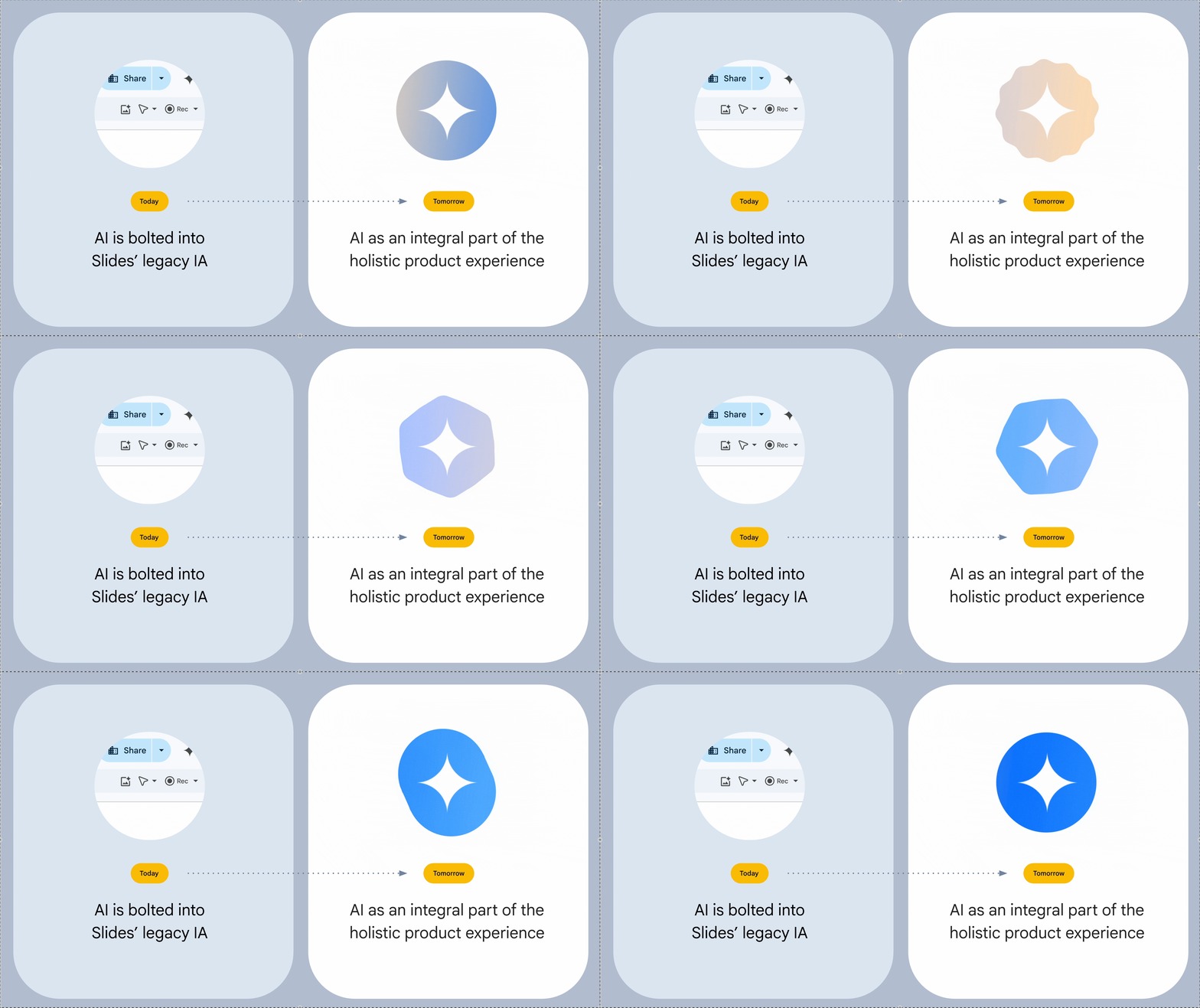
Overview of my role
Without an existing roadmap, I built one in collaboration with cross-functionals and led overall design strategy.
Led information architecture overhaul to lay the foundation for the AI future
Pivoted to agentic-first UX through embedding an ever-present open prompt bar.
Established an AI UX framework foundation for all of Workspace
Built a system for designing for unpredictable, emerging AI models.
Launched a set of novel Gemini features, scaled framework, and shaped monetization.
01. Led the IA foundation for emerging AI features
I challenged the status quo and proposed a modular, intent-first interface that gave AI a natural home in the product.
To stress-test the strategy, I planned and ran a week-long cross-functional, cross-product Sprint. I defined the key CUJs, IA and AI principles, and synthesized outcomes into a cohesive north-star UX strategy for the suite of products, gaining leadership buy-in.
I then initiated the cross-product IA Working Group, coordinating 10 separate feature teams prior to PM resourcing, to lead the alignment efforts until the full cross-functional team was formed.
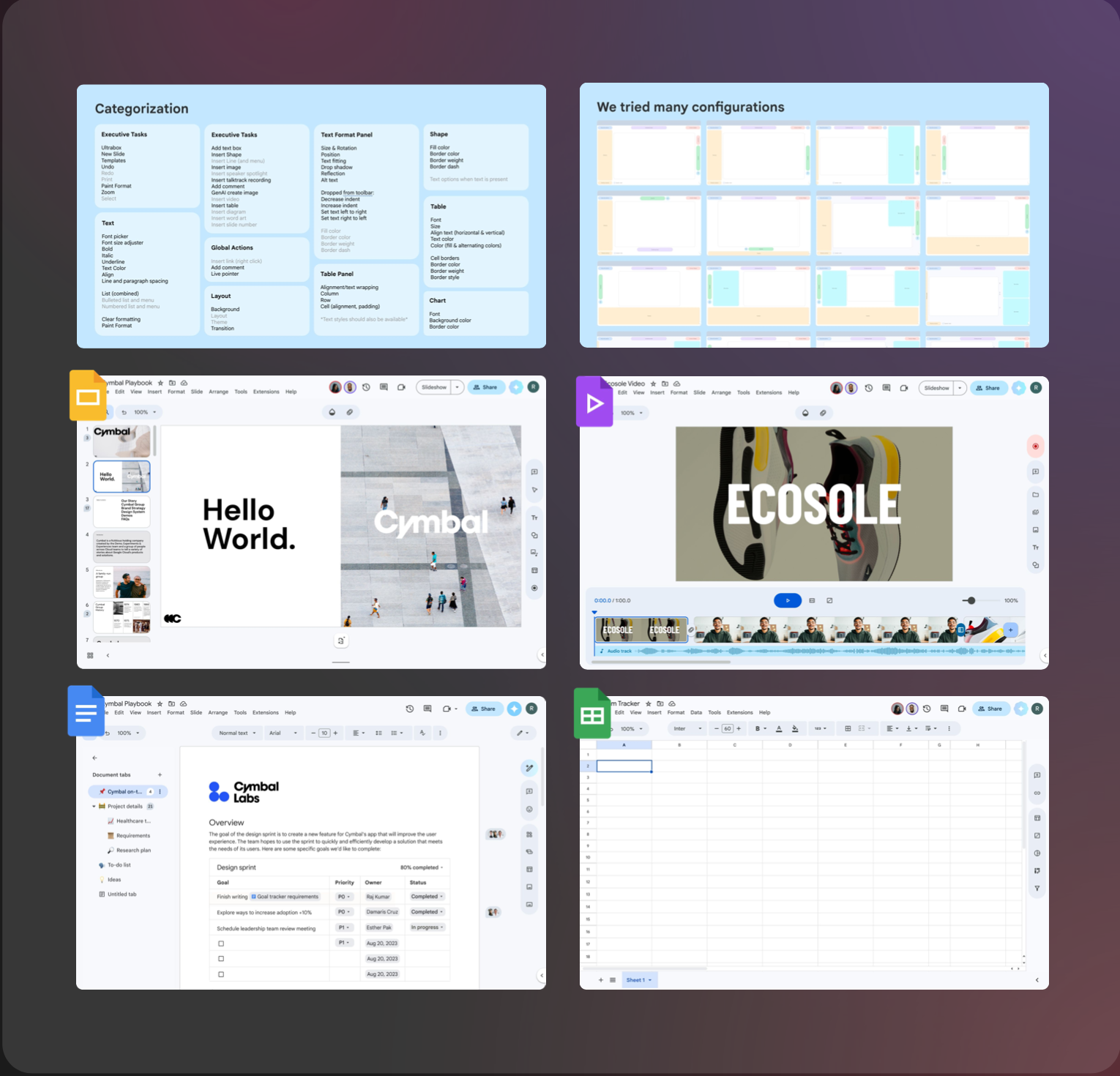
Cross-product artifacts from the cross-functional sprint.
02. Visioned and secured investment for a strategic pivot to agentic Slides
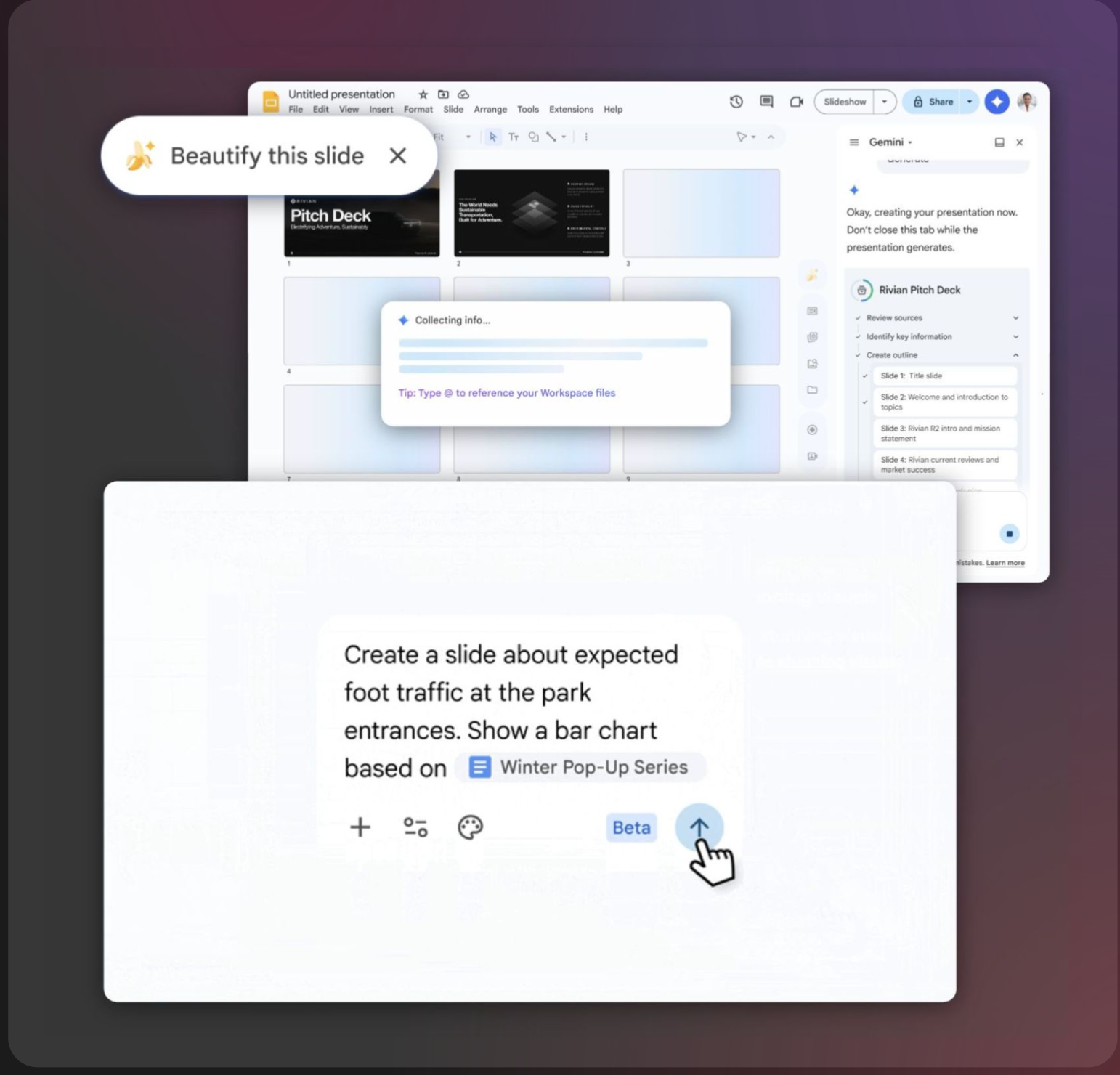
Concepted and gained leadership buy-in for the first proposal for Slides to become AI-first through launching a persistent, natural-language prompt entry point directly below the canvas, shifting the user mental model from navigating menus to collaborating with an agent.
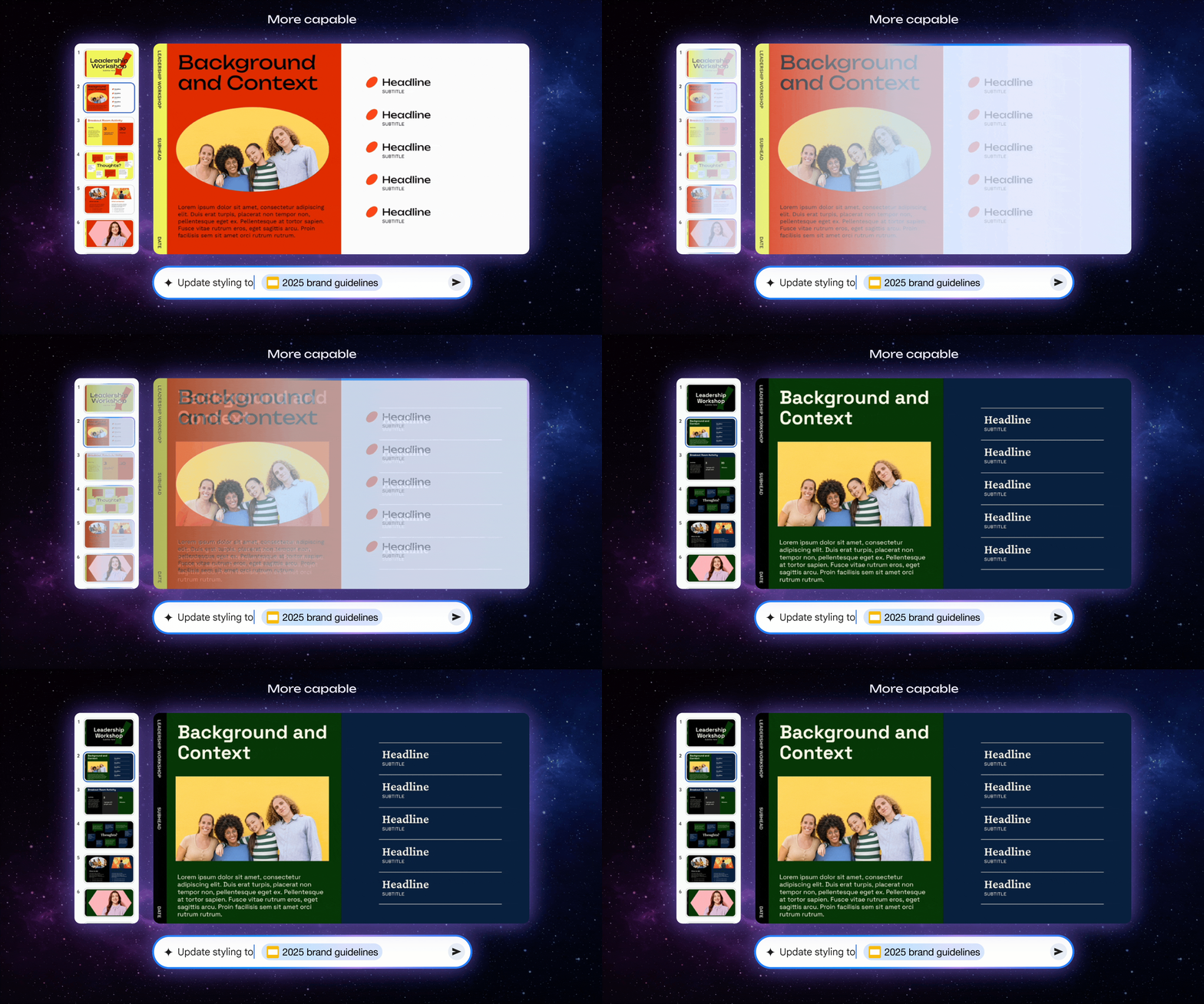
Intent aware with access to Drive files and web content to generate on-brand results.
The persistent prompt field evolves Slides from a tool to an agentic partner.
This wasn't just a UX change. Shifting to open prompting would transform engineering too: instead of bespoke builds for every standalone feature, the team could work through faster, scalable prompt-tuning. I presented the proposal to leadership and secured approval to pivot the technical approach — changing the trajectory of every project on the roadmap.
To validate the concept, I developed an early Gemini-powered prototype, collaborating with Research, Product, and Engineering as a primary sandbox for model quality testing, and translating research insights into technical requirements for Engineering to refine LLM outputs and multimodal capabilities.
Result: 83% CSAT in early implementation with over 1,000 testers. The prototype became the strategic proof point for Workspace's AI direction.
03. Developed the AI framework & system orchestration
With the success of the Slides prototype, other Workspace products began to adopt the same UX model. As Gemini features proliferated across products, the risk of fragmentation grew.
I designed and established the foundational Gemini UX Framework for Slides, defining how AI scales across surfaces, user journeys, and feature types, which was adopted by all Slides designers and referenced by broader Workspace teams.
The hardest design problem wasn't the features themselves. It was the tension between new and evolving Workspace-wide platform standards and the spatial, canvas-specific requirements of Slides.
I championed platform level UX divergences cross-team and in leadership forums as the design representative for Slides, and these were adopted into the Workspace design system.
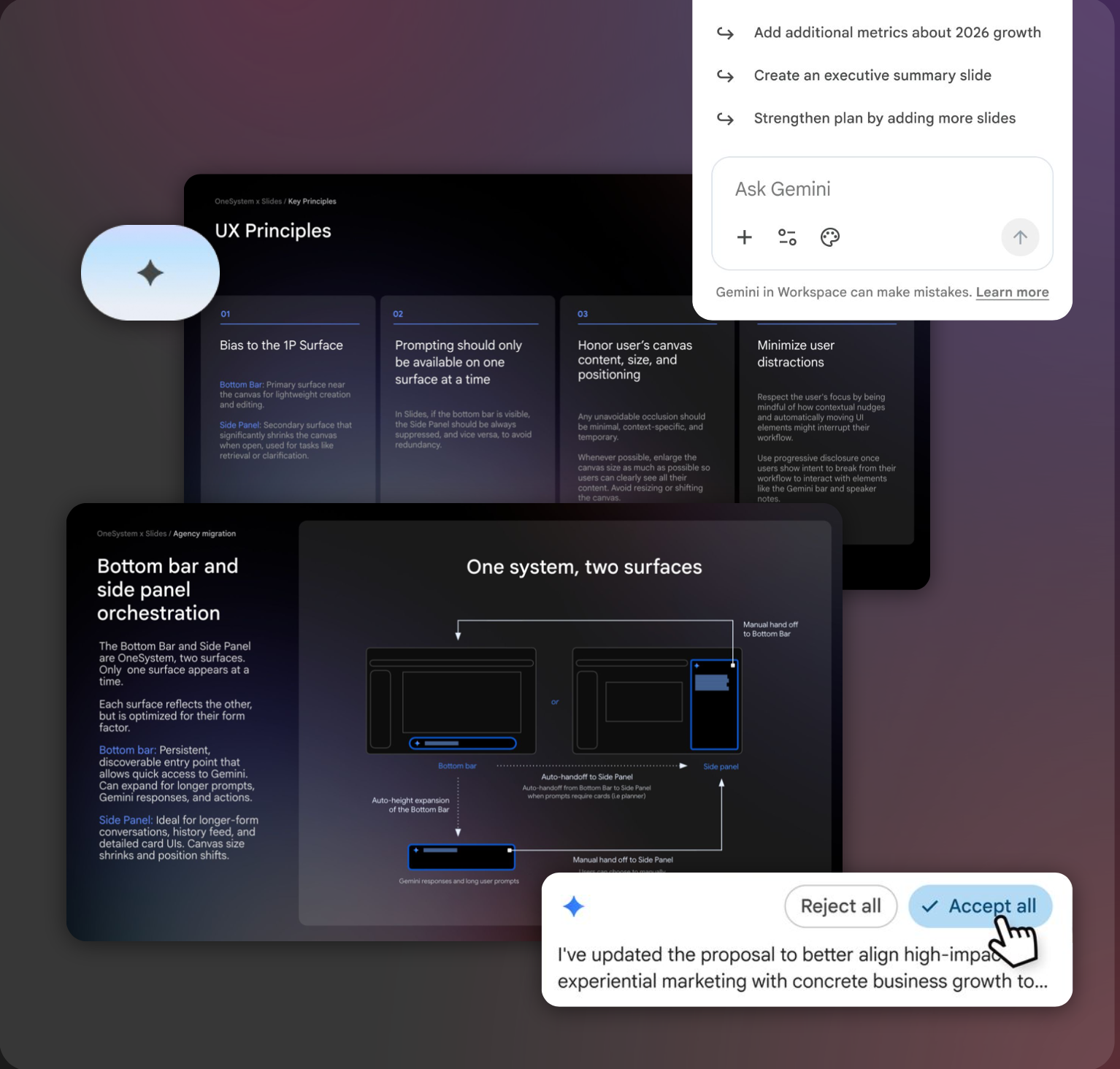
Multi-turn orchestration UX for unified prompting across the Gemini side panel and new bottom bar
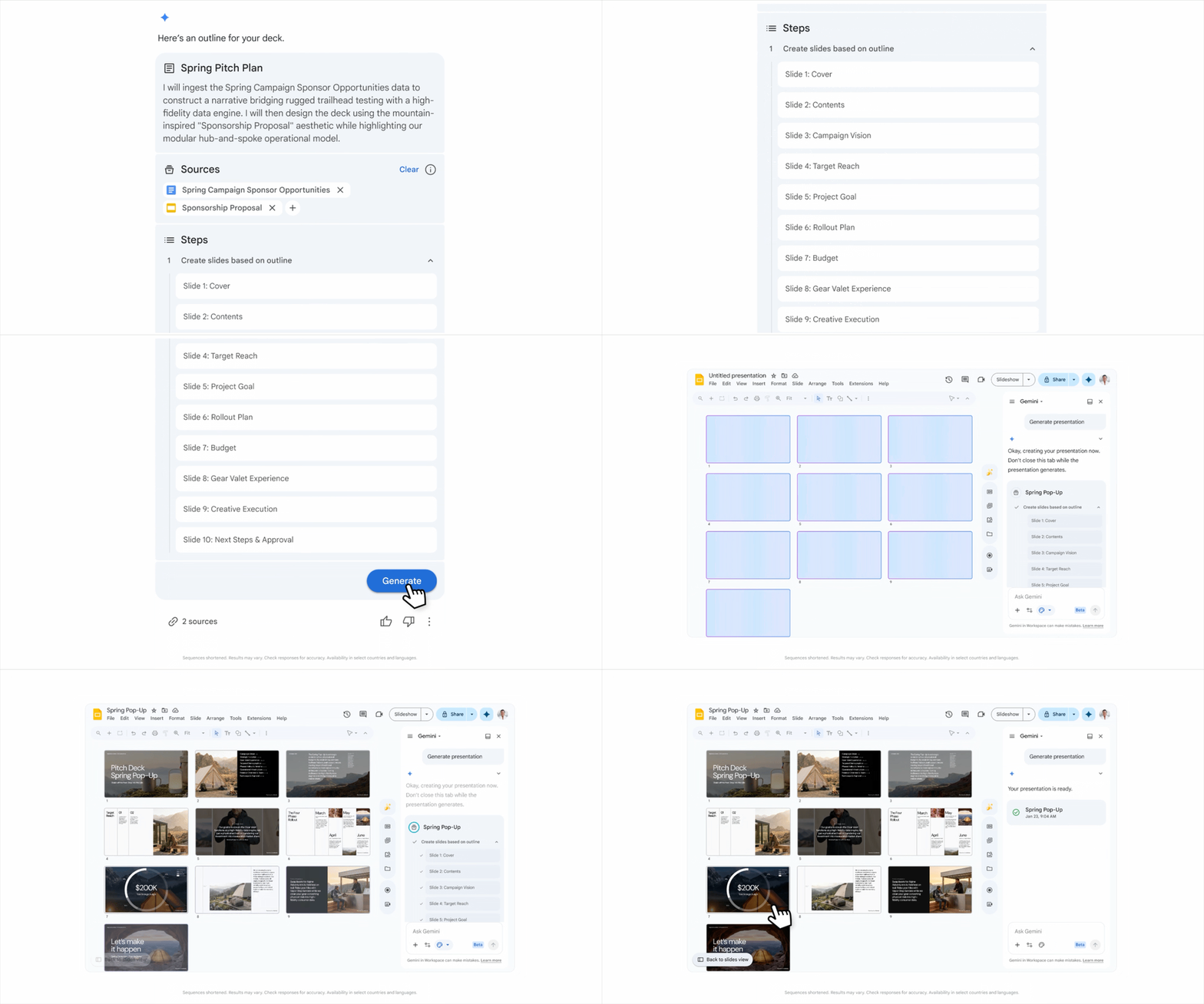
Gemini generates entire presentations from a single prompt.
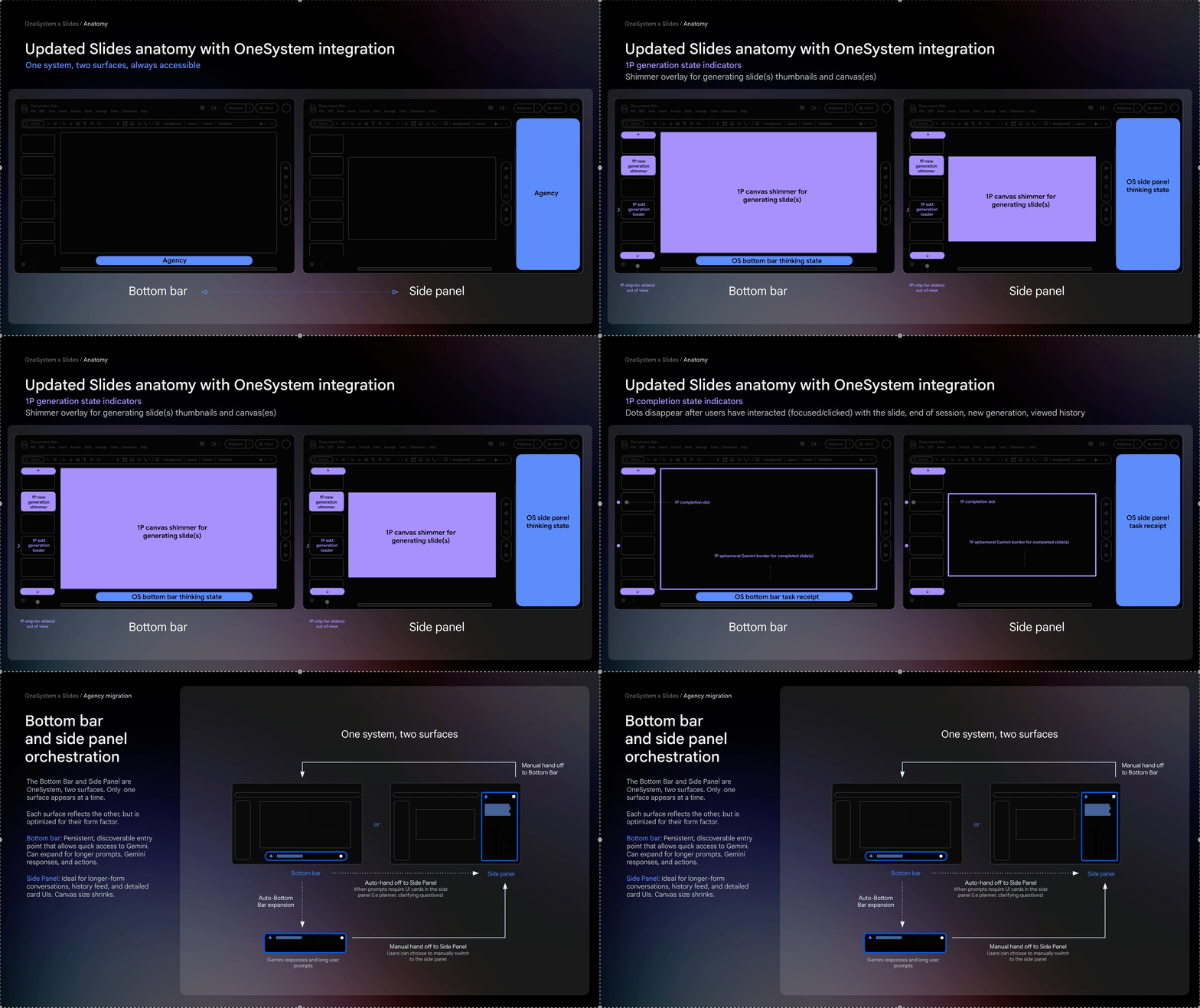
Framework for each surface and generation state: pre, during, and post-generation.
04. Designed for AI model unpredictability and built systems to navigate it.
One of the less visible parts of this work was designing around technical volatility. Generative models were unpredictable. Latency was inconsistent. Backend security protocols weren't finalized. Backend infrastructure for multi-turn prompting didn't exist yet.
Rather than waiting for stable foundations, I developed UX systems to bridge the gaps, strategically balancing a north star for future-proof agentic Slides, and the pragmatism to design interim solutions that led to that vision
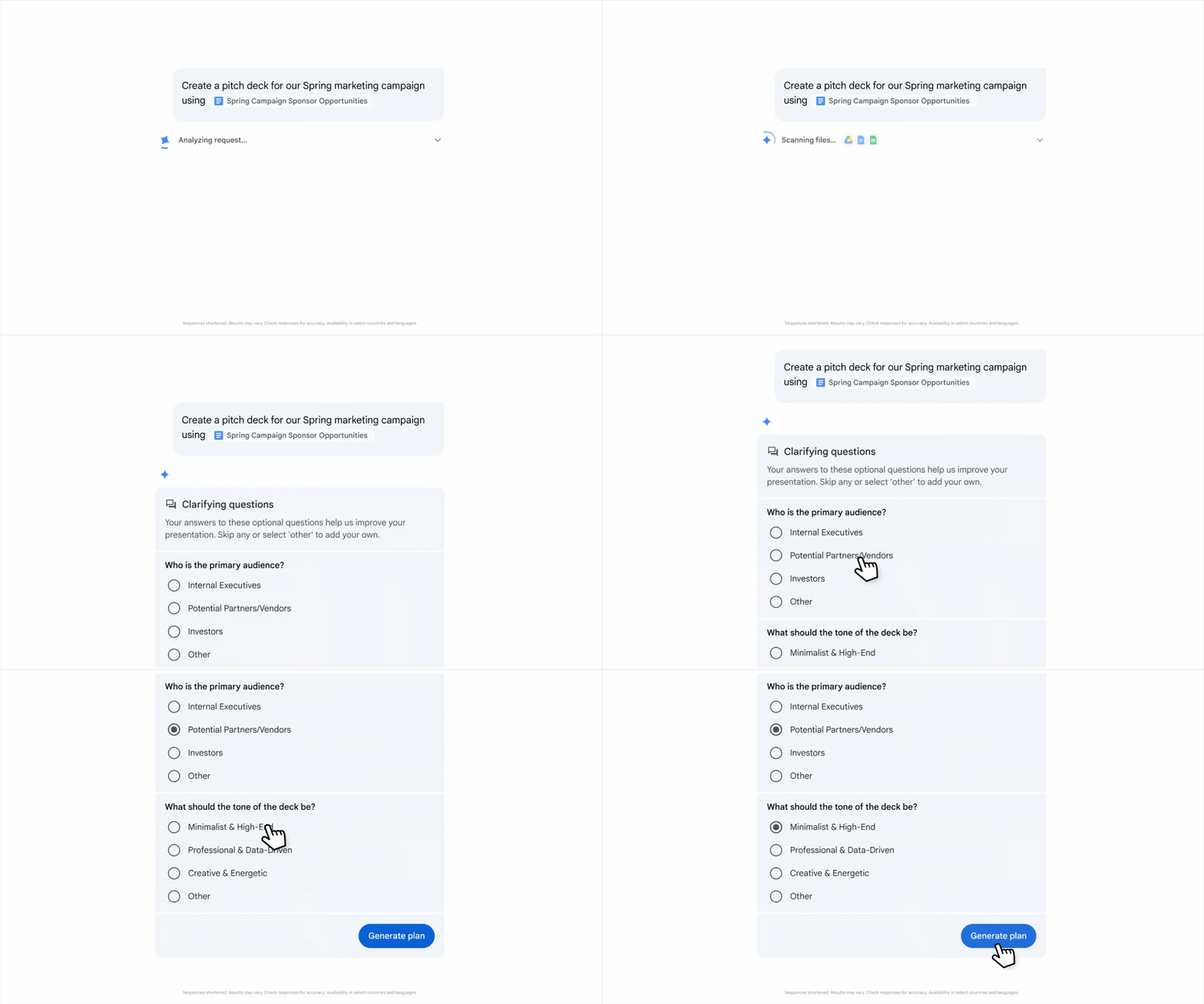
Intent-clarification framework that converted ambiguous user requests into multi-dimensional queries, reducing model churn while latency issues were resolved.
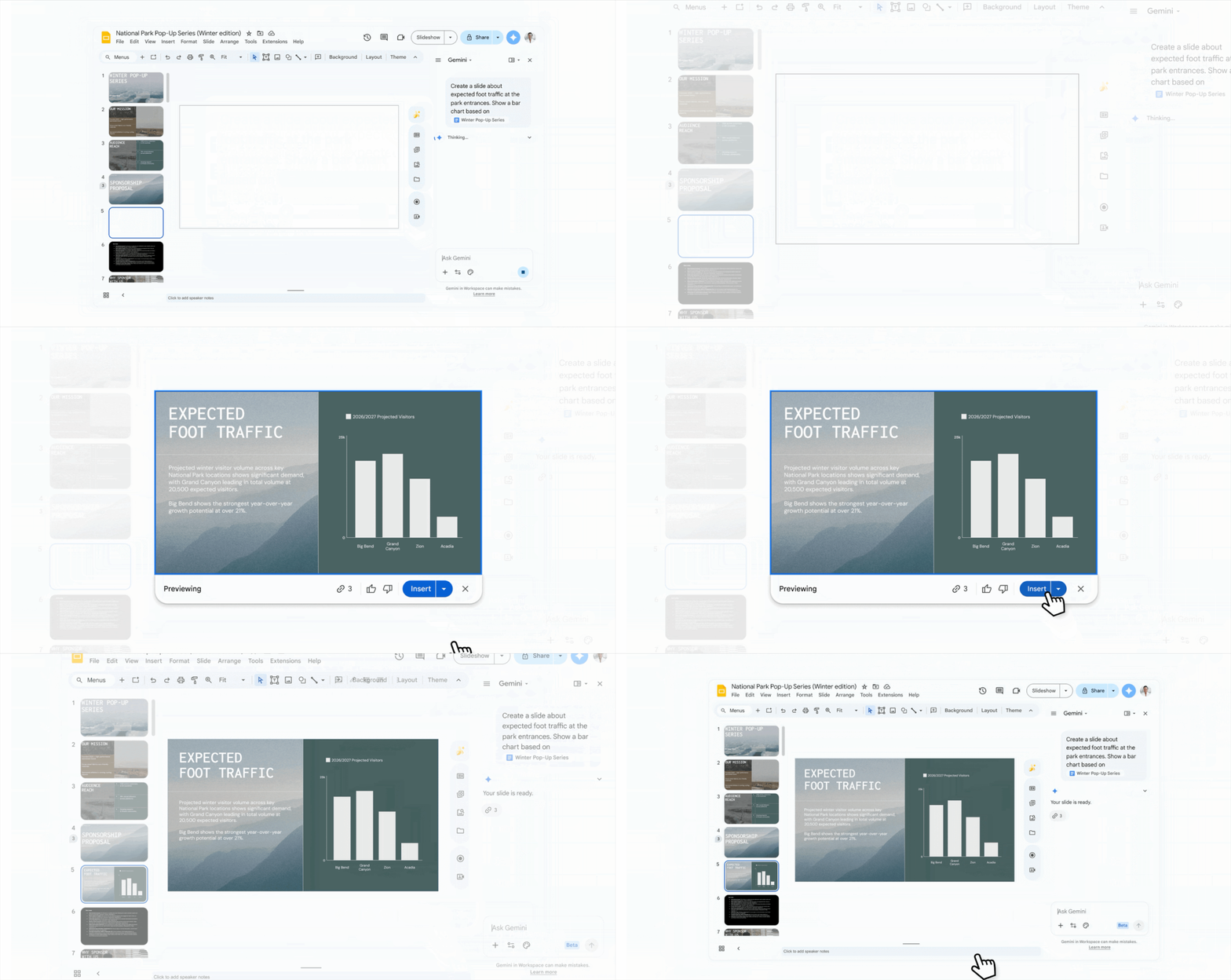
Universal Preview architecture that enabled human-in-the-loop validation before direct insertion and privacy models were technically feasible, allowing early feature testing and building user trust.
05. Shaped UX direction for subsequent AI features at scale
Once the framework was established, I governed its implementation across decentralized feature teams, ensuring that as new AI workstreams were spun up, they delivered consistent, predictable experiences at scale.
I also designed the premium AI feature monetization UX for Workspace in collaboration with the Monetization and Google Design Systems teams, integrating freemium affordances and quota limits into core user journeys without disrupting productivity workflows.
Shipped Gemini features include: Nano Banana Pro image generation and editing, entire single/multi-slide/full deck generation and batch editing, contextual nudges such as "Enhance slide" redesign, agentic prompt field.
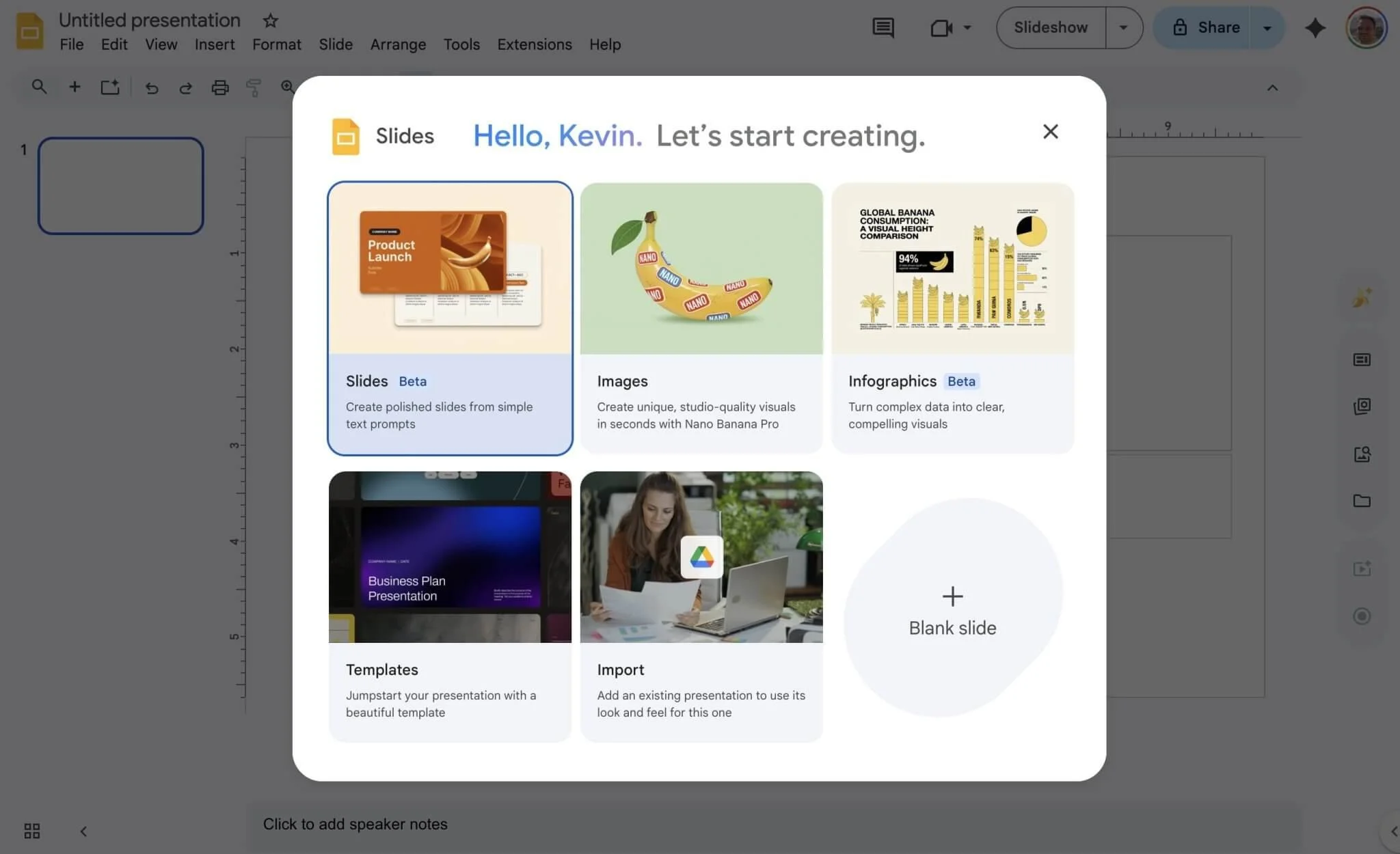
New Gemini capabilities featured in the Getting Started Dialog.
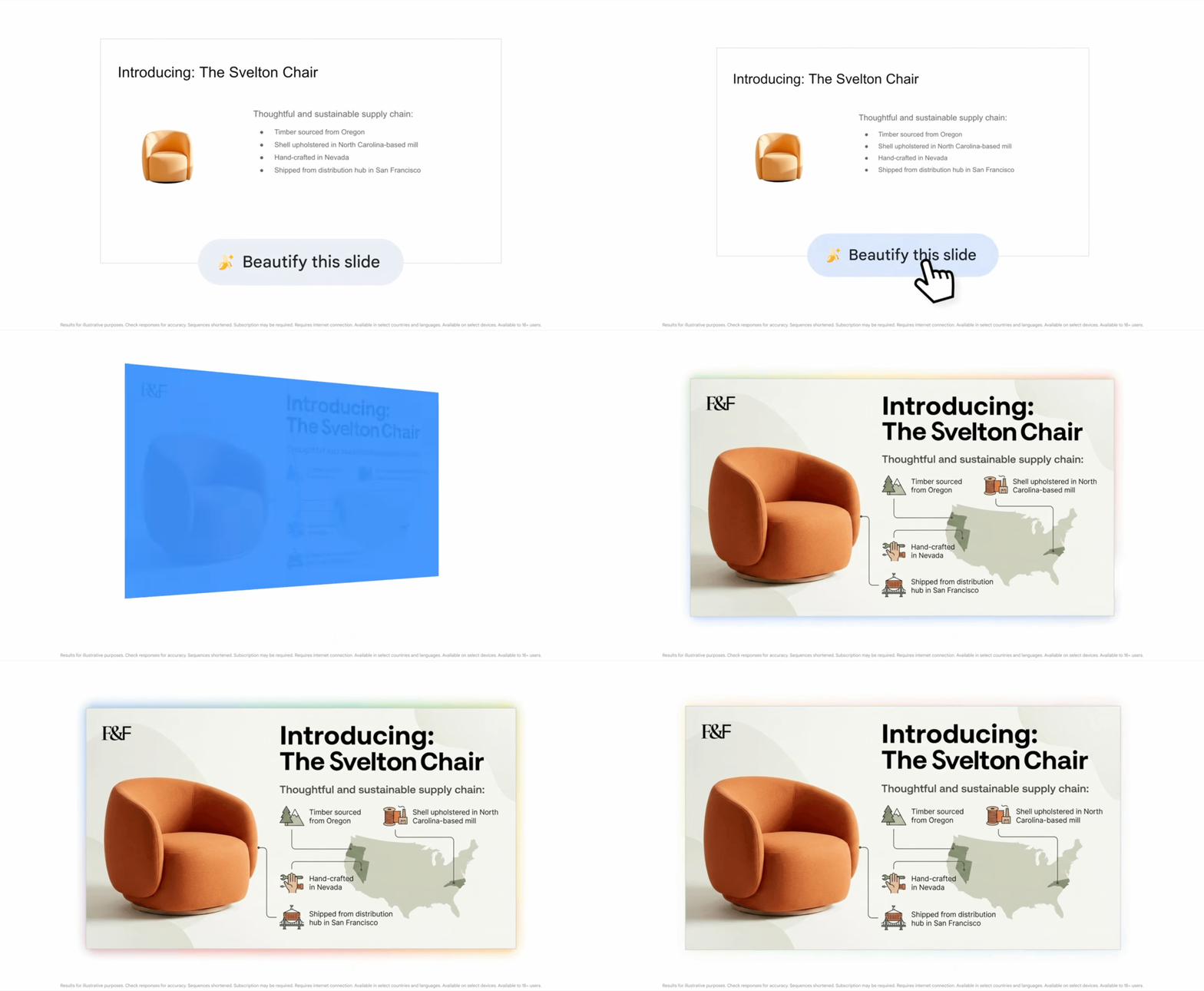
Intent-aware, proactive AI suggestions surface contextually for the highest quality model capabilities.